

a 5-week e-course for 12-18 year olds
Sovereignty

How to Be You, On Purpose


Many young people grow up receiving messages that certain feelings, needs, or desires are “too much,” “selfish,” or wrong. While often unintentional, over time these messages can turn into inner beliefs that create guilt or shame around simply being who we are. This course gently supports students in recognizing when an inner voice comes from learned conditioning rather than their true self.
Through embodied awareness and reflection, students explore what sovereignty feels like in the body—groundedness, clarity, and inner safety—and how to notice when those signals are being overshadowed by beliefs that limit growth or self-trust. The focus is not on blaming parents, teachers, or society, but on understanding that most people act from what they were taught and what they knew at the time.
Students learn compassionate ways to care for their inner world, recognize harmful or outdated programming, and choose beliefs that support wholeness rather than self-containment. Sovereignty, in this context, means learning how to honor one’s inner experience without guilt, while staying respectful, connected, and grounded in relationships.

“People don’t care how much you know, until they KNOW how much you care!”
Because it all comes back to love, does it not?

course overview

week / module 1
Sovereignty & Programming -
You Are Not Broken
-
Understanding sovereignty as inner authority rather than control or perfection.
-
What sovereignty means (inner choice and self-trust, learning intuitive guidance)
How beliefs and “programs” are learned through family, school, culture, and media
The difference between who we are and what we were taught
Normalizing wanting, feeling, and needing as part of being human
-
Students understand that many beliefs were learned for survival or belonging, not because something is wrong with them. Awareness is framed as empowerment, not self-criticism. Also, when something feels “best”, the stomach, spine, heart, and throat all feel clear. Knowing how/when to use this is really beneficial for your whole life.


week / module 2
Whose Voice Is This? Recognizing Programming
-
Discernment between authentic inner guidance and learned inner voices.
-
Common internal programs (e.g., “You’re selfish,” “Don’t be too much,” “Be good”)
How programmed thoughts often carry guilt, shame, urgency, or fear
Introducing the idea that not every thought reflects the authentic self
Compassionate curiosity instead of judgment
-
Students begin to recognize internalized beliefs without blaming themselves, caregivers, or society, understanding that most people did the best they could with what they knew.

week / module 3
The Body as a Compass: Learning Body Signals
-
Developing body awareness as a source of information and self-trust.
-
The body communicates through sensations, not words
Common body signals and what they can indicate:
Stomach knots (anxiety, inner conflict)
Chest tightness or heaviness (self-containment, unexpressed feelings)
Agitation or restlessness (misalignment or unmet needs)
Lightness, openness, ease (alignment and safety)
Numbness or shutdown (overwhelm or learned suppression)
Aches or tension (holding something in place that wants movement)
Example: forward-moving joints (like knees) may ache when a person feels stuck or afraid to move forward
-
Students learn that body signals are information—not instructions—and that noticing sensations builds discernment rather than fear.

week / module 4
Chemistry & Discernment - Why Interactions Feel the Way They Do
-
Understanding how neurochemistry influences perception, connection, and self-trust.
-
Basic neurochemistry in social interactions:
Dopamine (excitement, intensity, focus)
Oxytocin (safety, bonding, steadiness)
How some interactions feel great in the moment but lead to confusion or self-doubt afterward
How genuine connection often leaves the body feeling calm and steady afterward
Emphasizing that this does not mean people are “bad” or intentional—many patterns are unconscious
-
Students learn to notice how they feel after interactions, using body signals and emotional steadiness as guides rather than relying only on momentary feelings.

week / module 5
Repair & Reprogramming: Choosing Yourself with Compassion
-
Using self-compassion to gently update harmful or outdated programming.
-
Why fighting or shaming inner beliefs does not create change
Self-compassion as a way to regulate the nervous system and subconscious
Meeting guilt or shame with understanding rather than suppression
Choosing beliefs that support authenticity, wholeness, and growth
-
Students practice responding to inner signals with care, restoring self-trust and learning that authenticity develops through presence, patience, and compassion—not force.

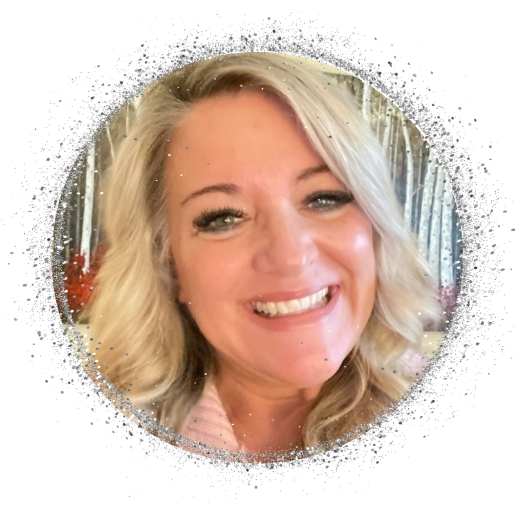
your guide
Arla Markael
Arla Markael is an educator, coach, tone weaver, and witness of the importance of human sovereignty, embodiment, secure relationship, and conscious choice. She brings 20+ years of experience in education, wellness, and human development, along with a deeply lived understanding of how inner authority is formed, challenged, and reclaimed.
Growing up immersed in nature, Arla developed an early sense of presence and connection to the body, which was lost due to trauma. Later, she navigated and ultimately left a highly legalistic cult, and both experiences shaped her commitment to helping people recognize conditioning and reclaim their inner voice.
Arla emphasizes holding one’s own sovereign inner space—learning how to be grounded, self-aware, and internally anchored so one can speak, choose, and be heard from a place of clarity and self-trust. Her teaching style is compassionate, practical, and empowering, offering teens (and adults) tools they can carry for life.